THE AI FUNCTIONS THAT WILL DOMINATE IN 2026
Autonomous AI Agents
This function represents the transition of AI from being a reactive tool (waiting for an order) to being a proactive “digital worker” that can plan, execute complex tasks, coordinate with other systems, and learn from its results to achieve long-term goals.
Why will they set trends?
- Advanced Reasoning: They improve in logical planning and error correction in long sequences of tasks.
- Hyper-Automation: They allow you to delegate complete end-to-end business processes, not just simple tasks.
- Cost Reduction: They minimize human intervention in operations, freeing up talent for strategic roles.
EJEMPLOS DESTACADOS:
1. Google (Gemini / Workspace)
What it is: Enterprise Workflow Assistant: AI agents deeply integrated into tools like Gmail, Calendar, and Drive.
How it works: The agent receives a high-level objective (e.g., “Plan trip”), breaks down the task, interacts with Calendar to find available dates, and with airline/hotel APIs to book—all automatically.
Application: Executive Optimization, minimizing the time professionals spend on complex and coordinated administrative tasks.
2. Microsoft (Copilot/AutoGen)
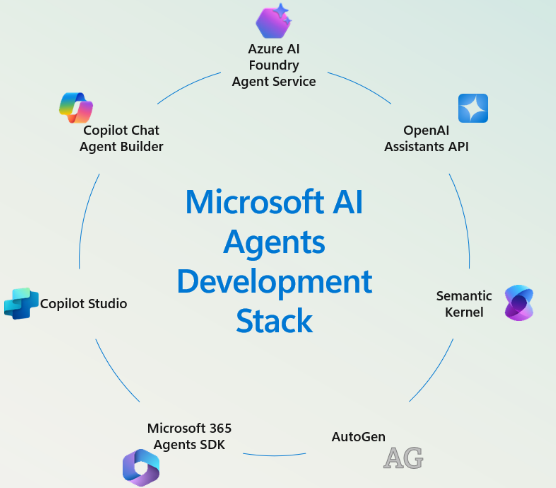
What it is: Collaborative Software Agent Teams: Frameworks that allow multiple AI models (Agents) to work together to achieve a development or IT goal.
How it works: A “Planner” Agent divides the task (e.g., “Fix vulnerability”), a “Coder” Agent writes the code, and a “Tester” Agent verifies it. They communicate and correct errors until the task is complete.
Application: Accelerated Software Engineering, increasing the speed of development, testing, and deployment, allowing engineers to focus solely on final review and architecture.
3. Accenture / Cognizant
What it is: Cognitive Automation of Enterprise Services: Implementation of AI agents to manage critical processes in large corporations (e.g., contract management or compliance).
How it works: The agent continuously monitors regulatory changes (external AI), compares the rules with internal documents, generates risk reports, and notifies the affected departments for immediate, audited action.
Application: Compliance and Governance; ensures real-time regulatory compliance in highly regulated sectors (e.g., finance), reducing legal risk and fines.
Generación Multimodal e Interactiva de Contenido
It refers to the ability to create and manipulate content that simultaneously combines video, 3D, code, image, and audio with high fidelity and consistency, driving the next wave of digital media.
Why will they set trends?
- Creative Scalability: They produce high-quality video, 3D, and simulations at unprecedented speed and cost.
- Media convergence is essential for the massive creation of assets in virtual environments, AR and VR (Metaverse).
- Fine Personalization allows you to generate visual and audio variations (not just text) for hyper-segmented audiences.
OUTSTANDING EXAMPLES:
1. OpenAI (Sora y Modelos Sucesores)
What it is: AI models capable of creating long, complex video scenes that respect physics and narrative, starting from simple text.
How it works: The model receives a prompt, internally simulates the scene in 3D, and renders it as video, maintaining the consistency of the object and environment across frames.
Application: A revolution in advertising, film, and television, enabling the creation of high-quality visual content at a fraction of the cost and time of traditional techniques.
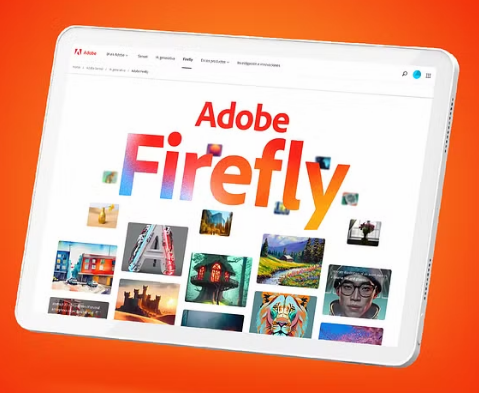
2. Adobe (Suite Firefly)
What it is: AI integration that allows you to manipulate images, video, and 3D design using natural language within the Creative Cloud suite.
How it works: A designer types: “Change the character’s background to an animated cyberpunk style and add synthesizer music.” The AI applies the changes to the video/image/audio/3D simultaneously, respecting professional design layers and formats.
Application: Dramatically accelerates design iterations and enables creative experimentation without needing to master multiple tools or spend hours rendering.
3. Epic Games (Unreal Engine)
What it is: The use of multimodal AI to populate virtual worlds with assets (characters, objects, textures) and create dynamic narratives.
How it works: The game engine uses AI to generate variations of textures and buildings from an initial style. NPCs (non-player characters) use a Life Model Layer (LML) to create unique dialogues, and their actions adjust to the plot in real time.
Application: It reduces the workload of asset creation, making virtual worlds larger, more detailed, and with much more immersive and replayable narratives.

Personalization and Hypercontextual Prediction
This function is the ability of AI to analyze an individual’s behavior and context in real time, not only to make a recommendation, but to predict a future need or a critical situation and take preventive or prescriptive actions.
Why will they set trends?
- Prescriptive AI: The key is to predict what will happen and what action to take (prescription), maximizing ROI.
- Big Data Maturity: They leverage mature data infrastructure for real-time analysis from diverse sources (IoT).
- Demand for Relevance: They satisfy the consumer’s demand for one-on-one experiences, anticipating their needs.
OUTSTANDING EXAMPLES:
1. Siemens (Industrial IoT)
What it is: AI systems that analyze massive amounts of sensor data (temperature, vibration, pressure) in real time on turbines, trains, and factories.
How it works: The AI establishes normal behavior patterns. If it detects even a minor deviation, it predicts the probability of failure and the exact date of the event, and immediately prescribes the optimal action.
Application: It prevents unplanned downtime of critical machinery, saving millions in lost production and emergency repair costs.

2. CAmazon (Retail y Logística)
What it is: Advanced models to anticipate product demand not only by region, but also by micro-zone and time of day.
How it works: AI processes search trends, weather, local news, and historical purchase data to predict which customers will buy which products, optimizing inventory placement in warehouses and delivery trucks.
Application: Minimizes delivery times and reduces the cost of holding excess inventory (or running out of stock) in warehouses.

3. Cadenas Hospitalarias / Farmacéuticas
What it is: AI that analyzes genomic data, medical histories, and wearable data for personalized treatments.
How it works: The AI compares a patient’s current health data with millions of similar profiles and clinical trials. It predicts the response to different drug doses and recommends the most effective regimen with the fewest side effects.
Application: It improves the effectiveness of healthcare (especially in oncology and chronic diseases) by shifting from standard treatment to one tailored to each patient’s biology.