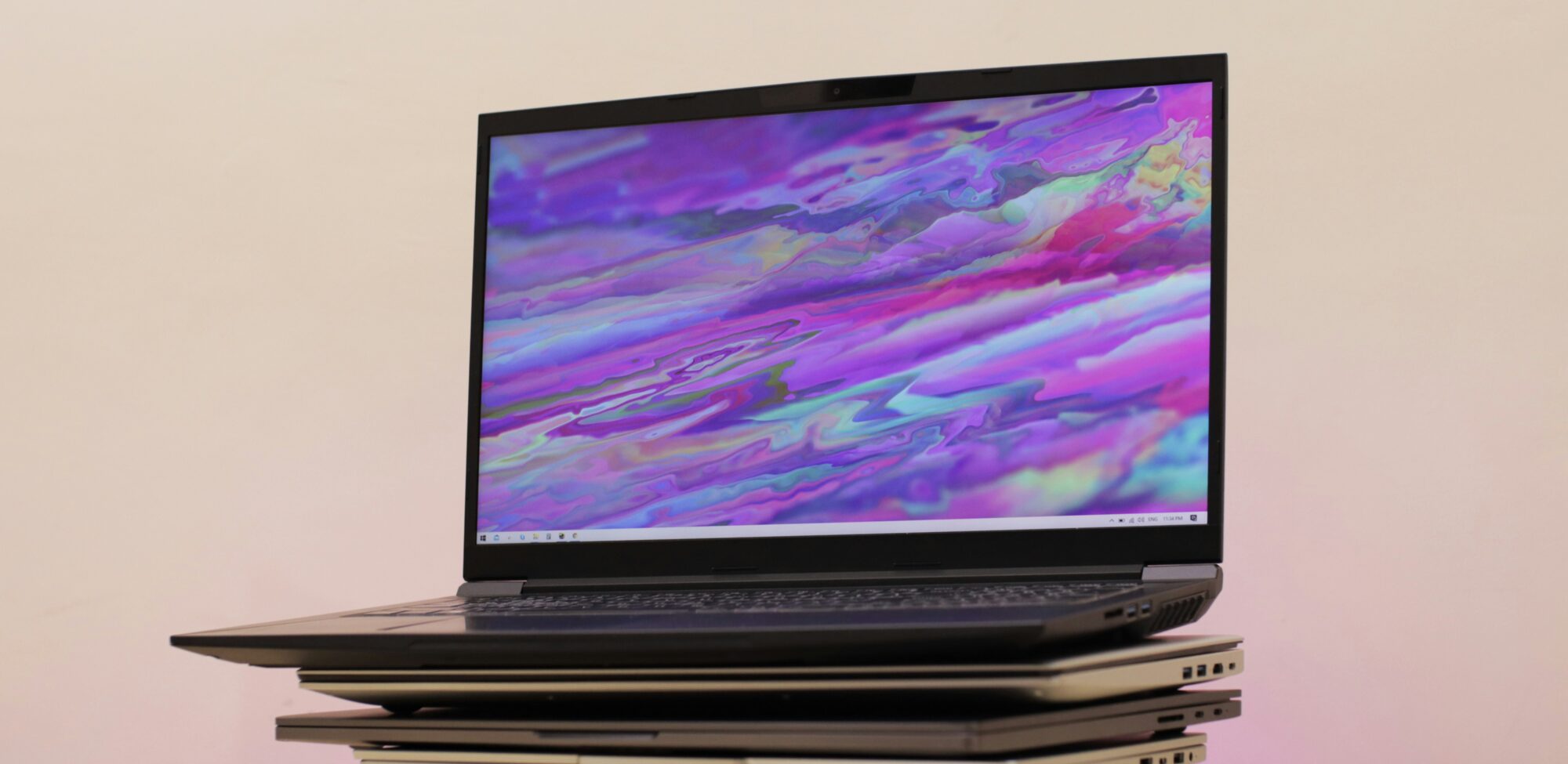
Framework Laptop 16: Modular revolution or experiment?

Framework returns with its Laptop 16, a bold bet on modularity in a market that has normalized planned obsolescence. This machine not only allows you to upgrade RAM or SSD, but also the GPU, thanks to its Expansion Bay system. But is it really viable?
The idea of a laptop with a swappable GPU sounds disruptive, especially in an ecosystem dominated by closed designs. Framework attempts this with an architecture reminiscent of the old days of DIY PCs, but adapted to the laptop format. The problem: the ecosystem is still limited. There’s only one GPU option (AMD Radeon RX 7700S), and the installation process isn’t straightforward for the average user.
In terms of performance, the Laptop 16 is adequate, but not outstanding. Its modular keyboard and 16-inch screen are strong points, although its thermal design and weight (2.5 kg) prevent it from being considered truly ultra-mobile. Furthermore, its price exceeds $1,800, placing it in a segment where competitors offer more power without the future compatibility dilemma.
Framework doesn’t just sell hardware; it sells a philosophy. Its ethical approach to repair and sustainability is admirable, but it still relies on third parties adopting its standard. Without a robust ecosystem of modules, the dream of the truly upgradeable laptop remains just that: a dream.
Conclusion: Framework Laptop 16 is more of a technical manifesto than a mass-market product. Ideal for hardware enthusiasts and those who advocate for the right to repair, but still far from being a universal solution.