Digital Work with AI: Tools, Trends and Opportunities
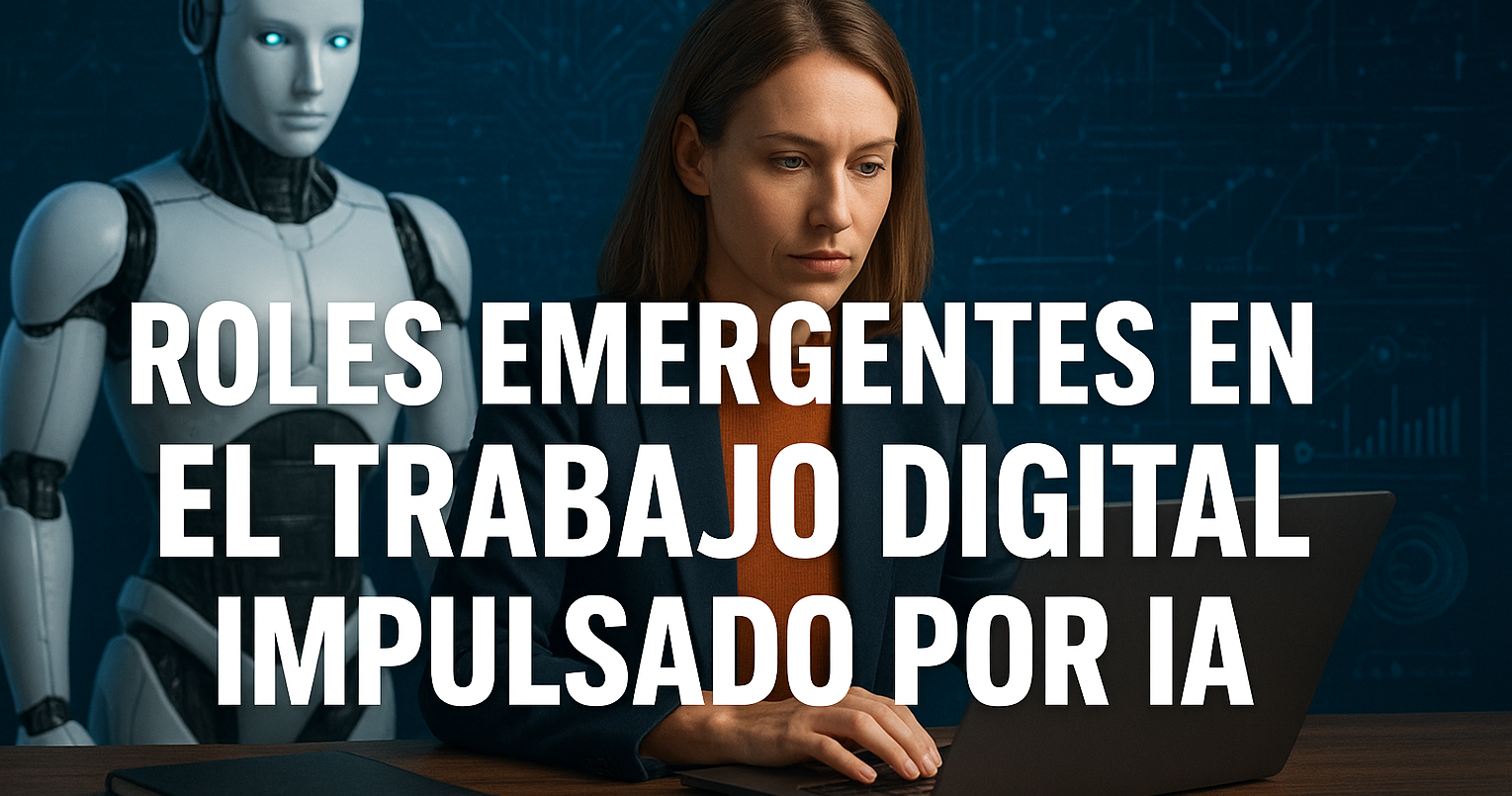
AI facilitators are neither developers nor end users: they are the bridge between the two. By 2025, this role has become essential in companies, educational institutions, and startups. Their function is to translate human problems into workflows that AI can solve.
Typical responsibilities:
Identify opportunities for automation or intelligent assistance.
Select the appropriate model based on context, accuracy, and cost.
Design the interaction flow between humans, data, and algorithms.
📌 Strategic analysis: This profile requires systems thinking, operational empathy, and proficiency with tools such as Make, Zapier AI, Hugging Face Spaces, or Copilot Studio. It’s not about knowing how to program, but about knowing how to integrate.
The quality of a model depends on the quality of its data. Dataset curators are responsible for selecting, cleaning, labeling, and validating datasets for training, fine-tuning, or evaluation.
Essential tasks:
• Filter noise, bias, and duplicates from large volumes of data.
• Design labeling criteria that reflect the model’s objective.
• Validate the dataset’s representativeness and diversity.
📌 Technical perspective: This role combines analytical skills, data ethics, and domain knowledge. Tools like Label Studio, Snorkel, Prodigy, and Hugging Face datasets are part of the daily arsenal.
Conversational design isn’t just about writing good prompts. By 2025, this role will focus on creating fluid, natural, and functional dialogue experiences between humans and intelligent systems.
Areas of application:
• Virtual assistants for customer service, diagnosis, or recommendations.
• Conversational interfaces in apps, websites, or physical devices.
• AI-guided onboarding, support, or sales flows.
📌 Editorial recommendation: This role requires understanding language, intent, and context. Tools like Voiceflow, Botpress, Flowise, and the ChatGPT API are essential, but the key difference lies in empathy and narrative structure.
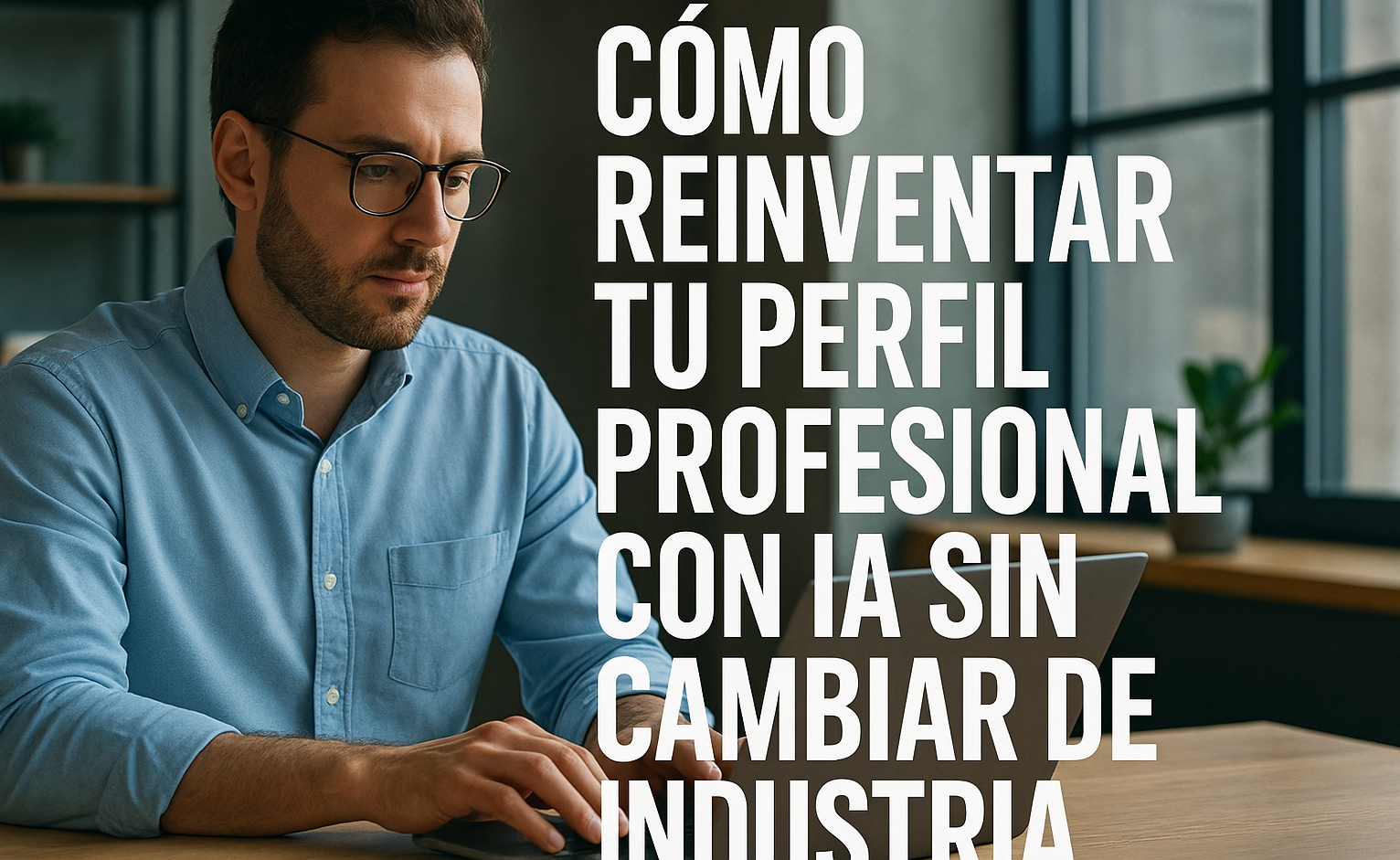
Digital transformation doesn’t require abandoning what you know, but rather reinterpreting it. By 2025, professionals like teachers, writers, designers, and analysts can integrate into AI-powered workflows without needing to retrain as programmers.
Examples of adaptation:
Technical writers → editors of AI-generated content, focusing on accuracy and tone.
Graphic designers → creative directors of generative workflows (Midjourney, Ideogram, Leonardo).
Administrative assistants → automation managers with Make, Notion AI, or Zapier.
📌 Strategic perspective: The key is identifying which parts of your workflow can be delegated to AI and which still require your expertise. This combination is what makes you irreplaceable.
One of the most visible examples of this transformation is that of the traditional educator who is becoming a designer of AI-powered learning experiences. It’s no longer just about teaching, but about creating systems that teach.
Evolution of the role:
Face-to-face teacher → facilitator of learning in digital environments.
Instructional designer → creator of microcourses with generative AI (Gamma, Notion AI, Synthesia).
Educational consultant → offers customized solutions for institutions adopting AI.
📌 Editorial analysis: Pedagogical knowledge remains at the core. What changes is the format, scale, and delivery method. AI doesn’t replace the educator; it amplifies their role.
Before reinventing yourself, you need clarity on what you know, what you can automate, and what you can offer. In 2025, there are tools that help you visualize your expertise as a system.
Recommended for mapping and transformation:
Whimsical + Notion AI: for creating mind maps and value streams.
Tally.so + Make: for turning your knowledge into smart forms and automated workflows.
Softr + Airtable: for packaging your expertise as a digital product (apps, knowledge bases, dashboards).
📌 Technical recommendation: Don’t start with the tool; start with the problem you know how to solve. Then, use AI and no-code to turn that knowledge into something replicable, marketable, and scalable.
Digital transformation is redefining how we work, and artificial intelligence (AI) has become the key driver of this evolution. From automated tools to new job opportunities, digital work with AI opens up a dynamic and possibility-filled landscape for professionals, entrepreneurs, and companies looking to adapt to the future.
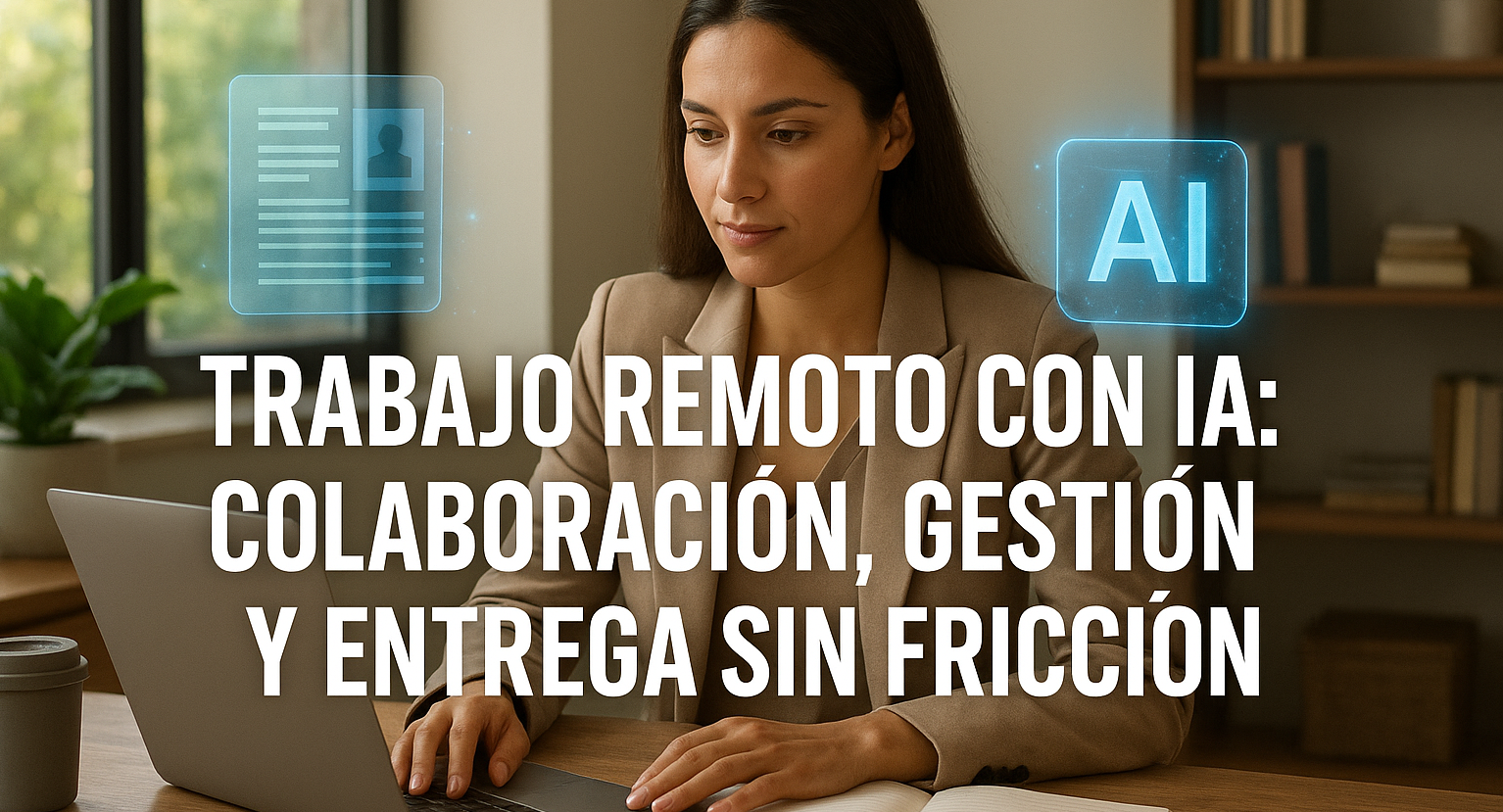
By 2025, remote team management will have evolved thanks to platforms that combine AI, automation, and predictive analytics. It’s no longer just about assigning tasks, but about anticipating bottlenecks, suggesting priorities, and facilitating asynchronous communication.
Featured platforms:
ClickUp AI: Generates meeting summaries, detects bottlenecks, and proposes adjustments in real time.
Latenode: Enables the automation of workflows between apps and coordinates deliveries without manual intervention.
Notion AI + Slack GPT: Combine document management with contextual communication, ideal for distributed teams.
📌 Strategic approach: AI doesn’t replace the project manager, but it transforms them into an orchestrator. If the system detects bottlenecks before you do, you can take action before they impact the client.
Contextual automation means that AI not only executes tasks, but also adapts them based on the project’s status, the collaborator’s profile, and external conditions. This allows for faster delivery, fewer errors, and no micromanagement.
Practical applications:
Automatic generation of deliverables: reports, summaries, presentations, or dashboards ready for review.
Intelligent tracking: alerts based on real progress, not static dates.
Dynamic reassignment: if a collaborator falls behind, AI proposes frictionless task redistribution.
📌 Operational recommendation: Use tools like Asana AI, Trello Smart Cards, or Monday.com GPT to integrate AI at every stage of the workflow. The goal isn’t automation for the sake of automation, but rather freeing up time for what truly matters.
Distributed productivity doesn’t depend on control, but on clarity, autonomy, and intelligent feedback. In AI-powered environments, teams can operate without constant supervision if they have systems that guide, correct, and recognize their progress.
Effective strategies:
Define actionable and measurable goals, not just tasks.
Use AI to generate automatic feedback based on deliverables and participation.
Promote cross-functional visibility: shared dashboards, weekly summaries, and AI-generated insights.
📌 Editorial perspective: Cohesion isn’t imposed; it’s designed. If each member understands their impact, receives useful feedback, and sees the collective progress, the team stays aligned without needing constant monitoring.
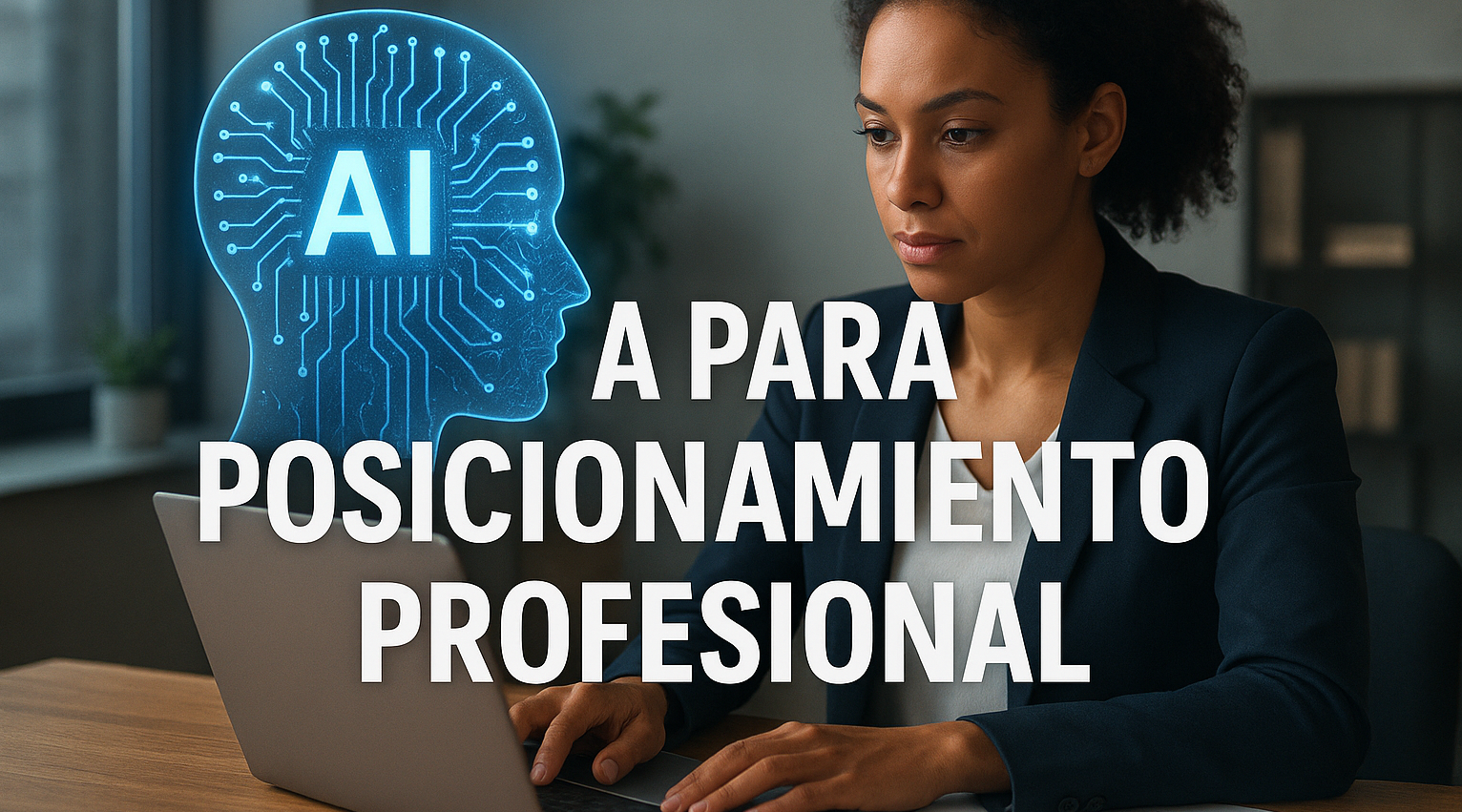
By 2025, profile optimization will extend beyond keywords. Tools like Rezi AI, VisualCV GPT, Copy.ai Resume Builder, and Canva Magic Design will enable you to create portfolios that combine strategic semantics with visual design tailored to the client or platform.
Effective tactics:
Semantic analysis: AI detects language patterns that increase visibility in search engines and Applicant Tracking Systems (ATS).
Responsive design: generation of visual layouts based on industry, style, and experience level.
Contextual personalization: profiles that dynamically adjust based on the client or project.
📌 Editorial perspective: It’s not about “looking good,” but about communicating value. If your profile reflects impact, clarity, and differentiation, AI can amplify it, but not replace it.
A strong digital presence isn’t built solely on a good profile, but on content that demonstrates authority, experience, and growth. By 2025, tools like Taplio AI, Behance Caption Generator, GitHub Copilot for Docs, and FeedHive GPT will enable you to create posts that connect with specific audiences.
Types of content that rank well:
LinkedIn: reflections on projects, lessons learned, trends, and personal contributions.
Behance: narrative descriptions of creative processes, technical decisions, and results.
GitHub: clear documentation, explanatory changelogs, and AI-generated tutorials.
📌 Tactical recommendation: Simply publishing isn’t enough. Content must have intention, structure, and purpose. AI can help you write, but you define the approach.
Your digital footprint is the trail you leave on the web: profiles, posts, interactions, mentions. By 2025, tools like Brand24 AI, Fathom Analytics, Clearbit Reveal, and Google Perspective API will allow you to audit that footprint and identify areas for improvement.
Key indicators:
Personal brand consistency: tone, style, and messaging aligned across all platforms.
Semantic relevance: keywords that connect with your niche and increase visibility.
Perceived impact: how clients, recruiters, or collaborators see you based on your digital activity.
📌 Strategic analysis: If you don’t control your footprint, others will. AI allows you to audit, adjust, and project your professional reputation with precision.