Automation Strategies You Should Be Using in 2026
Enterprise Automation (RPA + Generative AI)
It combines repetitive task automation (RPA) with the ability of generative AI to process language, make decisions, and handle complex data.
Why will they set trends?
- Democratization of development: they allow the creation of no-code automations, accessible to non-technical teams.
- Native integration with business tools: They connect easily with CRM, ERP, and suites like Microsoft 365.
- Reduction of operating costs: they automate repetitive and administrative tasks, freeing up human time for strategic decisions.
OUTSTANDING EXAMPLES:
1. UiPath Autopilot
- What it is: UiPath Autopilot is a suite of AI-powered experiences integrated into the UiPath platform to boost productivity.
- How it works: It will operate using natural language so users (including developers) can build workflows and applications (Text-to-App).
- Applications: Its key applications include increasing personal and team productivity, accelerating low-code development, and executing complex end-to-end enterprise workflows using simple text commands.
2. Microsoft Copilot Studio
What it is: Microsoft Copilot Studio is a low-code/no-code development platform for building, customizing, and managing generative AI conversational agents (Copilots).
How it works: It works by allowing creators to define flows and actions through a visual interface. It integrates with Microsoft Power Platform and third-party systems, enabling agents to access internal data.
Applications: Its primary uses include creating internal support agents for departments (HR, IT), developing advanced customer service bots, and, crucially, extending and customizing the capabilities of Microsoft 365 Copilot.
3. Botpress X (Botpress)
- What it is: Botpress is an all-in-one platform for deploying highly autonomous, conversational AI agents.
- How it works: It operates through an advanced engine that empowers agents with agentivity: the ability to analyze complex queries, break them down, and autonomously execute logical or transactional processes.
- Application: It is used for proactive customer support (order taking, lead qualification) and the automation of complex business processes, enabling agents to interact with databases and APIs in real time.
Cognitive Automation and Autonomous Agents
AI agents that can plan, reason, and execute complex tasks and entire processes completely independently, learning as they go.
Why will they set trends?
- Contextual reasoning ability: They understand complex objectives and adapt their actions like a human assistant.
- Multimodal interaction: they process text, voice, images and web browsing to perform complete tasks.
- Persistent memory and continuous learning: they improve with use, making them more efficient and personalized.
OUTSTANDING EXAMPLES:
1. OpenAgents (OpenAI)
What it is: The OpenAI Agent is an artificial intelligence agent designed to perform complex real-world tasks on behalf of the user.
How it works: It works by interpreting a goal given by the user in natural language, and then autonomously planning and executing a sequence of steps.
Application: Its main application is the automation of end-user tasks, such as managing calendars, making online purchases, or sending complex emails without direct human intervention.

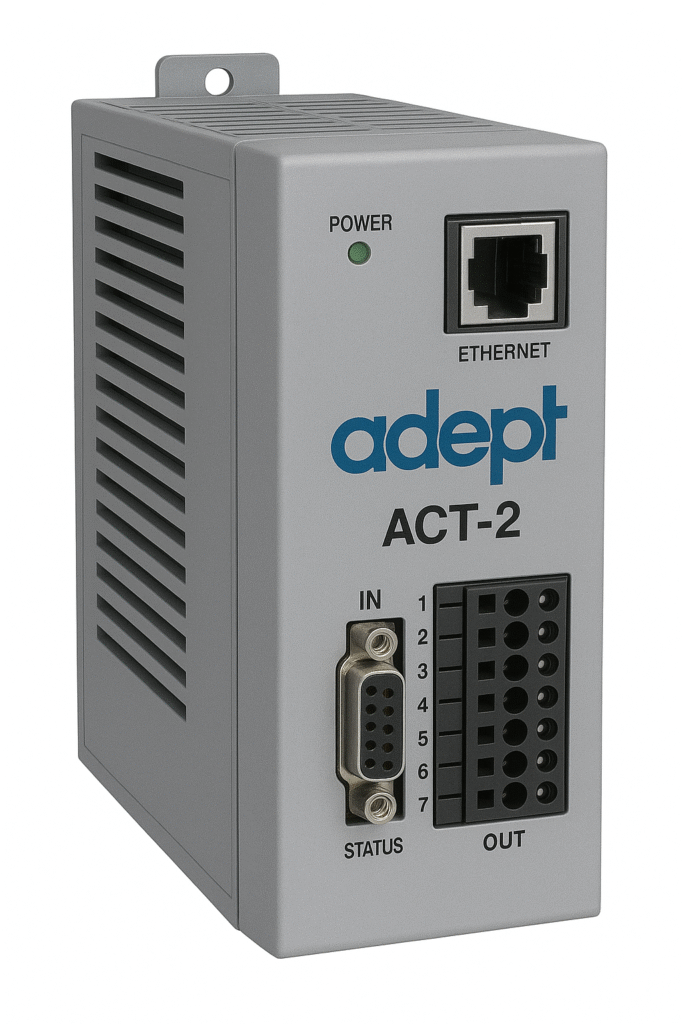
2. Adept ACT-2
What it is: Adept ACT-2 (short for Action Transformer 2) is an advanced AI model developed by Adept, specializing in learning to use software interfaces and applications in the same way a human would.
How it works: It operates by training through a large number of user interactions with software.
Application: Its primary application is the automation of complex, multi-step workflows involving various software applications.
3. Cognosys AI
- What it is: Cognosys AI is a web-based Artificial Intelligence tool that functions as a personal productivity agent designed to simplify complex tasks and optimize workflows.
- How it works: It works by receiving a complex objective in natural language (e.g., “Perform market research in industry X”). The AI creates and assigns internal tasks to its own agents.
- Applications: Its applications are diverse and focus on improving professional productivity and analytics.

Digital Infrastructure Automation
Use of Infrastructure as a Code (IaC) and software tools to automatically provision, configure, and manage all infrastructure resources in the cloud or on-premises.
Why will they set trends?
- Infrastructure as code + AI: faster, more secure and reproducible deployments.
- Frictionless edge computing: allows exposing local services without intermediate servers.
- Frictionless DevOps: Small teams can scale like large ones without operational overload.
OUTSTANDING EXAMPLES:
1. Terraform Cloud Next
- What it is: The next version of HashiCorp’s cloud platform for managing Infrastructure as Code (IaC). It focuses on improving governance, collaboration at scale, and security.
- How it works: It will work by centralizing Terraform management and integrating AI to generate and validate IaC code. This improves security posture management and regulatory compliance before any changes are implemented.
- Application: It enables DevOps and FinOps teams to securely manage their infrastructure across multiple clouds, automating governance and optimizing costs at scale.
2. Pulumi AI
- What it is: It integrates generative AI directly into the Pulumi platform to democratize Infrastructure as Code (IaC), enabling interaction with infrastructure using natural language.
- How it works: It will work by using LLMs to translate natural language prompts into functional infrastructure code in programming languages like Python or TypeScript. It also helps debug existing code.
- Application: It accelerates infrastructure prototyping, makes IaC accessible to software developers without cloud experience, and automates code refactoring.

3. Tailscale Funnel
What it is: Tailscale Funnel is a feature of the Tailscale platform designed to securely and easily expose local services to the internet without complex firewall configurations.
How it works: It creates a temporary, managed reverse tunnel that links a service on a Tailscale network node to a public domain. External access is encrypted and controlled by Tailscale policies.
Applications: It’s ideal for quickly sharing development or staging services with external teams, testing webhooks, and enabling controlled public access to temporary services.